Updated November 2026 · 6 min read · Reviewed against peer-reviewed evidence
The short answer
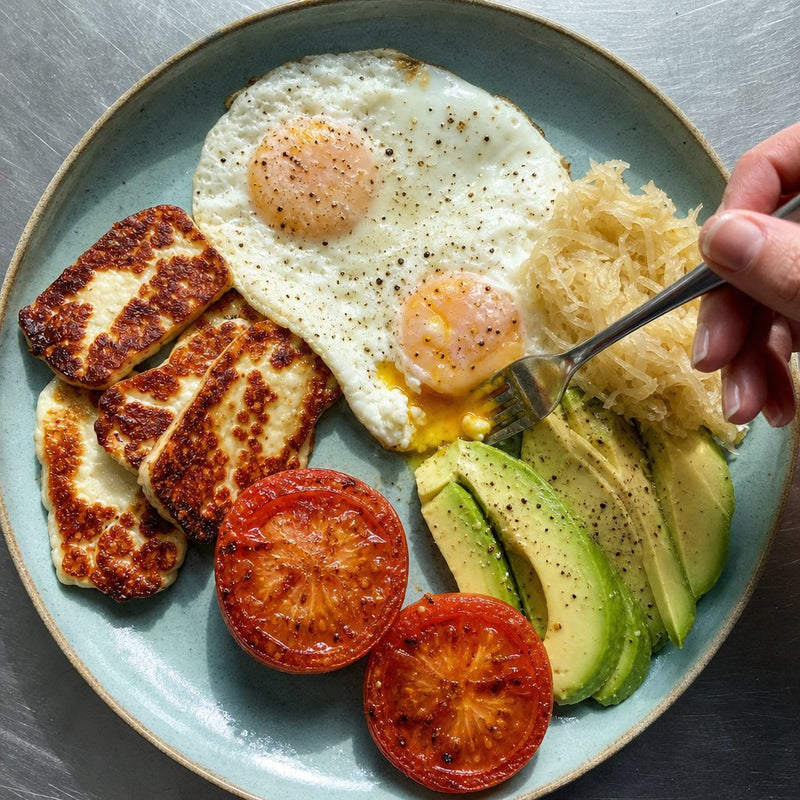
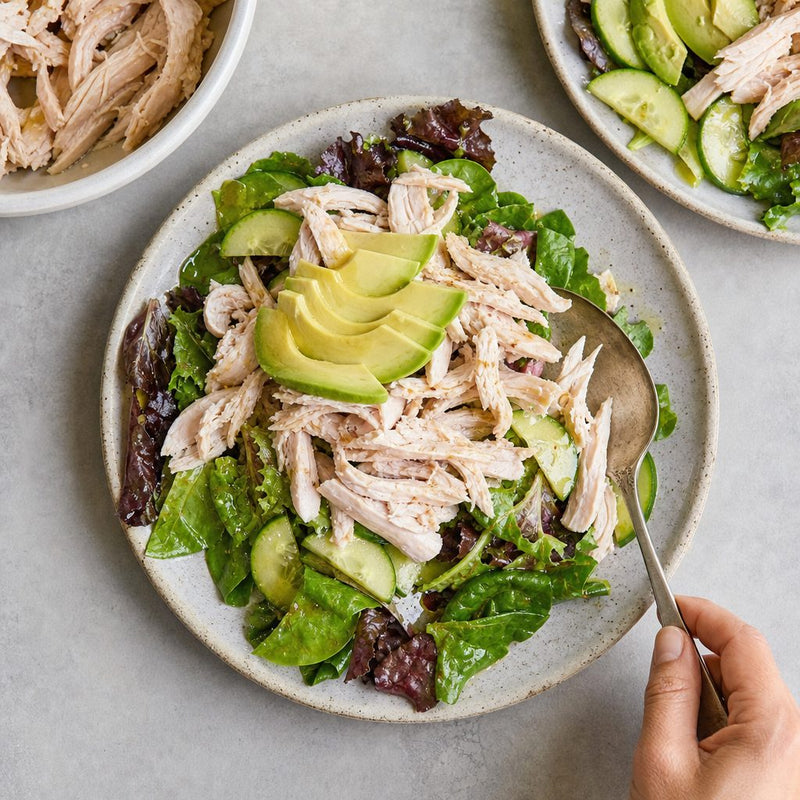
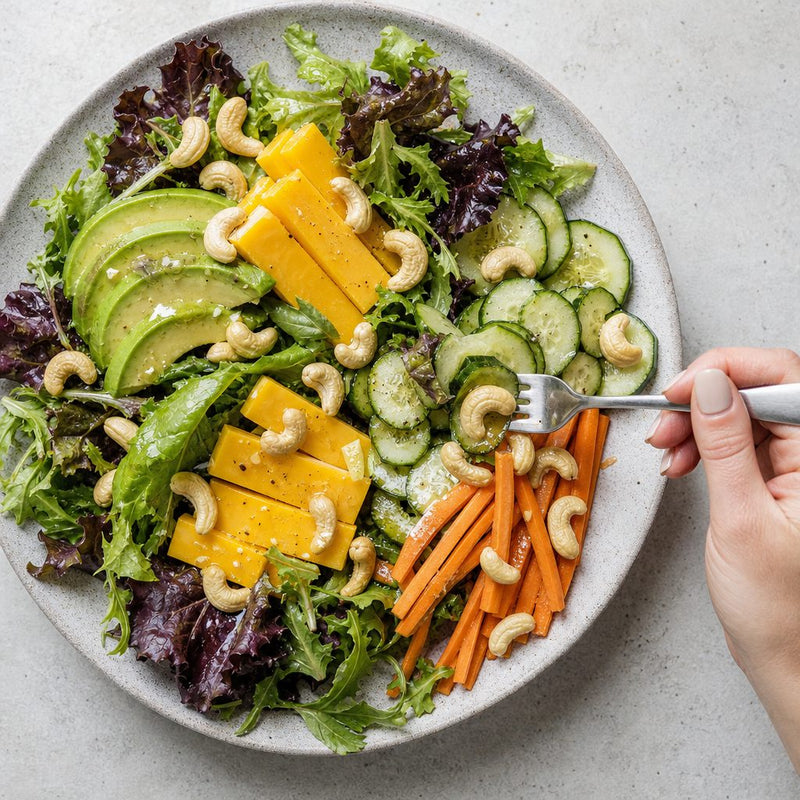
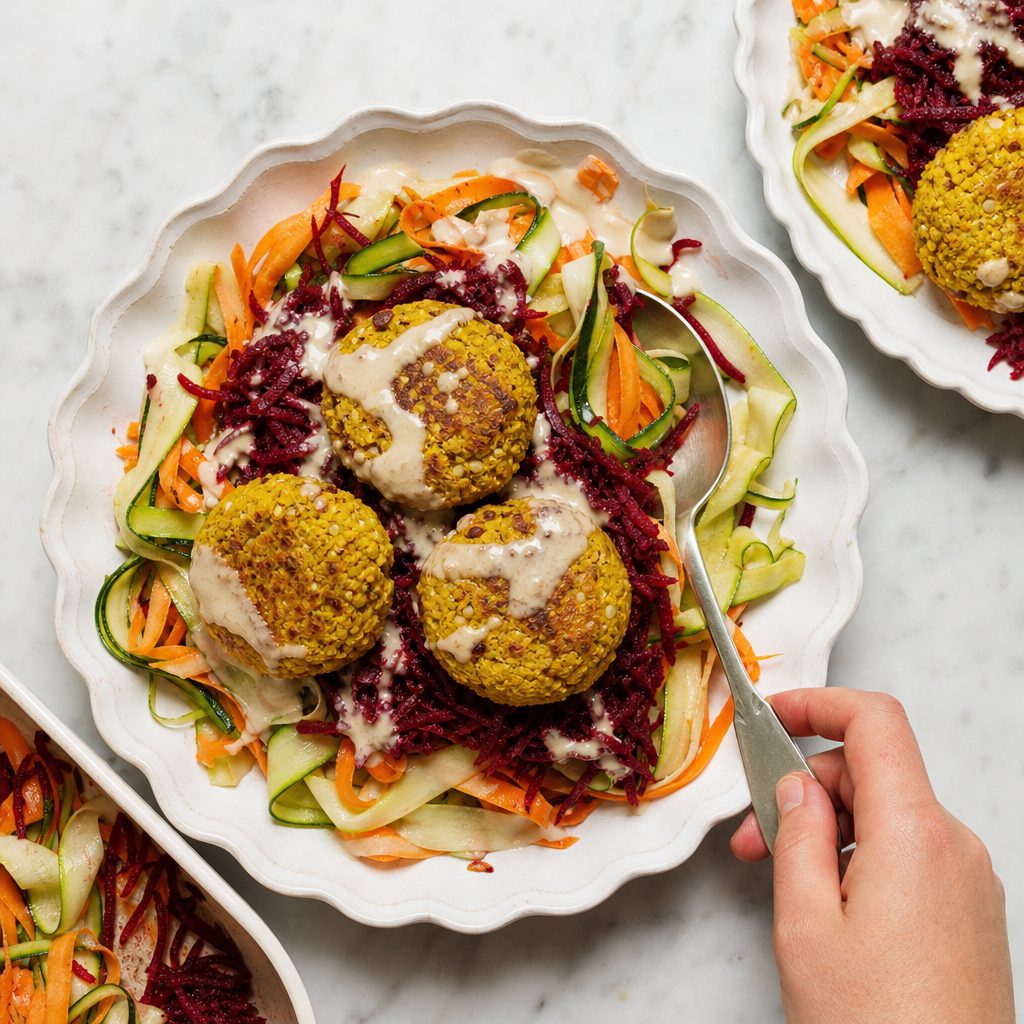
To build a gut-friendly meal: fill half the plate with a variety of vegetables, add a fibre-rich carb like legumes or whole grains, a palm-sized portion of protein, some healthy fat, and a spoonful of something fermented. Variety matters: people who ate 30 or more different plant foods a week had more diverse gut bacteria in the American Gut Project, and a Stanford trial found fermented foods increased microbiome diversity and lowered inflammatory markers.
Gut health can sound complicated: probiotics, prebiotics, polyphenols, postbiotics. On a plate, it's simpler. Your gut microbes thrive on variety, fibre and a few fermented foods. Here's how to put that into an ordinary lunch or dinner.
Step 1: Make half your plate vegetables, and mix them up
Vegetables bring fibre, water and plant compounds called polyphenols that your gut bacteria feed on. Different plants feed different microbes, so variety counts as much as amount. In the American Gut Project, a large citizen-science study, people who ate more than 30 different types of plant a week had more diverse gut microbiomes than those who ate 10 or fewer.
Herbs, spices, nuts, seeds, legumes and whole grains all count towards your 30. A handful of herbs and a sprinkle of seeds can add three or four to a meal in seconds.
Step 2: Add a fibre-rich carb
Lentils, chickpeas, beans, oats, brown rice, quinoa, buckwheat, sweet potato and other whole grains and starchy veg add fibre that reaches your large intestine and feeds the bacteria there. Most adults fall short of the recommended amount. In Australia and New Zealand, the target is about 25g a day for women and 30g for men. Our article on how much fibre you need shows what that looks like.
Step 3: Include a palm-sized portion of protein
Eggs, fish, chicken, meat, tofu, tempeh, legumes or Greek yoghurt. Protein keeps you full and steadies energy. If you're increasing fibre at the same time, build up gradually and drink plenty of water to avoid bloating.
Step 4: Add some healthy fat
Olive oil, avocado, nuts, seeds and oily fish make vegetables taste better and help your body absorb the fat-soluble vitamins A, D, E and K. Extra virgin olive oil and nuts are also good sources of polyphenols.
Step 5: Finish with something fermented
A spoonful of sauerkraut or kimchi, a dollop of plain yoghurt or kefir, a splash of miso in the dressing. In a 10-week Stanford trial, adults who ate around six serves of fermented food a day had a steady increase in microbiome diversity and a fall in inflammatory markers. A high-fibre diet in the same trial changed how the microbes worked, but didn't increase diversity in that time. You don't need six serves to start; one a day is an easy habit. More in the benefits of fermented foods.
What about "gut health" foods that are just hype?
- Kombucha: can be a good fermented option, but many bottled versions are sweetened. Check the sugar.
- Probiotic snack bars and cereals: often high in sugar, with little evidence the bacteria survive.
- Bone broth: nourishing and comforting, but the gut claims are ahead of the evidence.
- Apple cider vinegar shots: fine in a dressing; there's limited evidence for gut benefits on their own.
Real food beats a supplement or a "gut" label on a packet.
An example gut-friendly plate
Roast pumpkin and broccoli, a handful of rocket and herbs, chickpeas, a piece of salmon, olive oil and lemon, pumpkin seeds, and a spoonful of sauerkraut on the side. That's around ten different plants in one meal.
Frequently asked questions
What is the best meal for gut health?
One with lots of different plants, a fibre-rich carb, protein, healthy fat and a fermented food. Variety across the week matters more than any single "superfood".
How many plants a week is good for gut health?
Research from the American Gut Project found that people who ate more than 30 different plant foods a week had more diverse gut microbiomes. Herbs, spices, nuts, seeds, legumes and grains all count.
Do fermented foods really help your gut?
A Stanford trial found that eating more fermented foods increased gut microbiome diversity and lowered markers of inflammation over 10 weeks.
Why do I get bloated when I eat more fibre?
Your gut bacteria need time to adjust. Increase fibre gradually over a few weeks and drink more water. If bloating is severe or persistent, see your GP.
A whole week for your gut
Week 4 of the 8-Week Program puts fibre and plants front and centre, with a meal plan and shopping list built around variety. Plus 600+ real-food recipes. One payment, 16 weeks of access.
General information only, not medical advice. If you have IBS, IBD or another gut condition, work with your GP or a dietitian before changing your fibre intake.
References
- McDonald D, Hyde E, Debelius JW, et al. American Gut: an open platform for citizen science microbiome research. mSystems. 2018;3(3):e00031-18. DOI
- Wastyk HC, Fragiadakis GK, Perelman D, et al. Gut-microbiota-targeted diets modulate human immune status. Cell. 2021;184(16):4137–53. DOI
- Cotillard A, Cartier-Meheust A, Litwin NS, et al. A posteriori dietary patterns better explain variations of the gut microbiome than individual markers in the American Gut Project. Am J Clin Nutr. 2022;115(2):432–43. DOI
- National Health and Medical Research Council. Nutrient Reference Values for Australia and New Zealand: Dietary fibre. NHMRC