Updated November 2026 · 7 min read · Reviewed against peer-reviewed evidence
The short answer
Sugar cravings usually have a physical cause, an emotional cause, or both. Physical cravings come from your body wanting fast energy: after a small or skipped meal, a short night's sleep, or in the week before your period. Emotional cravings come from using food to soothe stress, boredom or tiredness. Sort out the physical causes first. They're the easiest to fix, and they often take most of the emotional ones with them.
A craving isn't a character flaw. It's a signal. The trick is working out what it's actually asking for, because "I want chocolate" can mean "I didn't eat enough lunch", "I slept five hours" or "today was a lot". Each of those has a better answer than willpower.
What causes physical sugar cravings?
When your body is short on energy, it nudges you towards the fastest fuel it knows: sweet, starchy, easy-to-eat food. The usual triggers are:
Meals that are too small or too far apart
A coffee for breakfast and a light salad at 1pm leaves a big energy gap by mid-afternoon. That's when the vending machine starts to look good. Breakfast matters here: in a small trial, eating breakfast reduced both sweet and savoury cravings compared with skipping it, with higher-protein breakfasts tending to work best.
Short or broken sleep
Sleep loss changes appetite hormones. In a well-known study, two nights of short sleep lowered leptin (which signals fullness), raised ghrelin (which signals hunger) and increased appetite, particularly for calorie-dense, carbohydrate-rich foods. If your cravings are worst after a bad night, that's probably why.
Your menstrual cycle
Research on the menstrual cycle suggests that in the second half (the luteal phase) energy use and appetite both rise a little, and cravings for carbohydrate- and fat-rich foods become more common. Eating a little more at meals that week often takes the edge off.
Blood sugar swings
A sugary breakfast or snack on its own can lead to a quick rise and then a dip, which leaves you hungry and reaching for more. Pairing carbohydrates with protein, fibre and fat slows that ride down. Our insulin resistance primer explains the bigger picture.
What causes emotional sugar cravings?
Emotional cravings are about how you feel, not how much you've eaten. Food is quick, legal and comforting, so it's an easy tool to reach for when you're stressed, bored, lonely or exhausted.
Stress plays a measurable part. In one study, women who released more cortisol in response to a stressful task went on to eat more afterwards, especially sweet food. Many of us also learned early on that sweet things mean reward or comfort, so the link is well worn by adulthood.
There's more on breaking that loop in how to stop emotional eating.
How can you tell if a craving is physical or emotional?
| Physical craving | Emotional craving |
|---|---|
| Builds gradually | Comes on suddenly |
| A proper meal would do | Only one particular food will do |
| Shows up hours after eating | Shows up after a hard conversation, a long day or boredom |
| Goes once you've eaten | Can linger even when you're full |
Most cravings sit somewhere in between. If you're not sure, rule out the physical causes first: eat a proper meal, get to bed earlier, notice where you are in your cycle. Whatever's left is more likely to be emotional.
What to do about each kind
For physical cravings
- Eat three real meals with protein, fibre and some fat, and don't go too long between them.
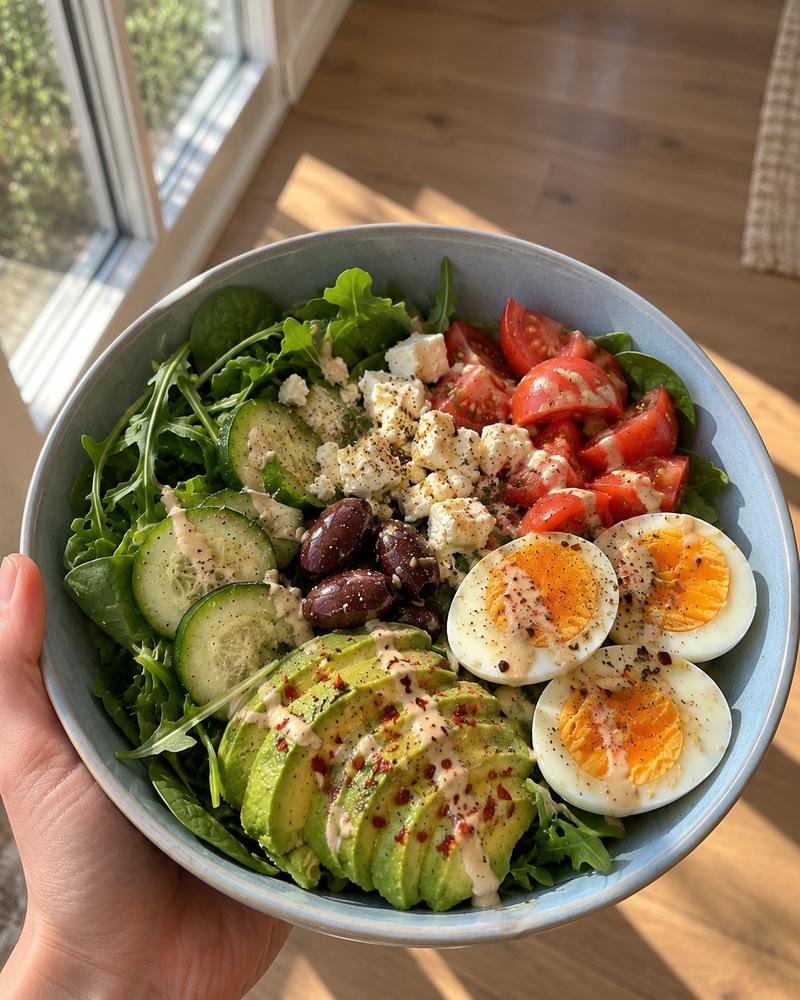
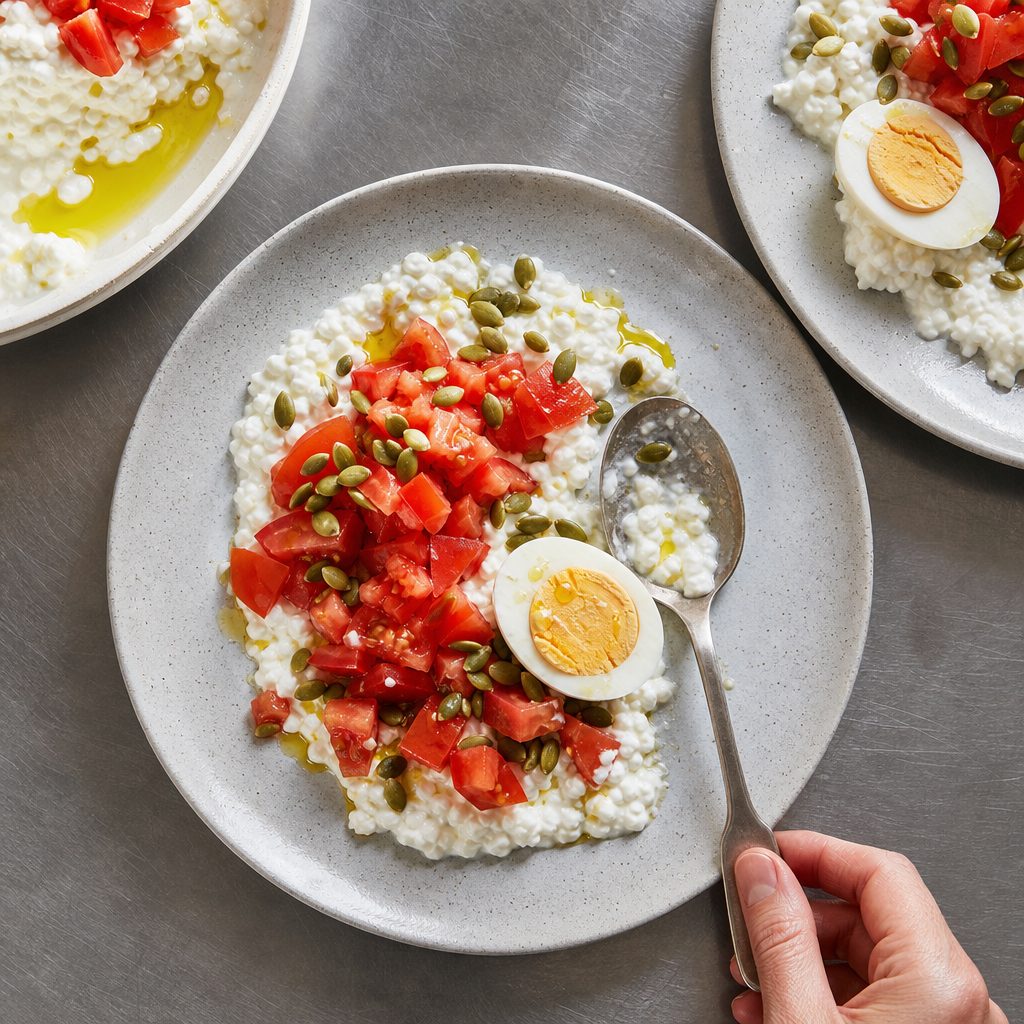
- Make breakfast count. Eggs, Greek yoghurt, or last night's leftovers work better than toast and jam.
- Protect your sleep, especially in the week before your period.
- Have a planned afternoon snack if you need one, such as nuts, cheese or veggies and hummus.
For emotional cravings
- Pause and name it: "I'm not hungry, I'm frazzled."
- Give the feeling something else for ten minutes: a walk, a shower, a call, some music.
- If you still want something sweet, have it, sitting down, without guilt. Food rules that are too rigid tend to backfire.
- If food has become your main way to cope, a GP, dietitian or psychologist can help.
Frequently asked questions
Why do I crave sugar after meals?
Often it's habit: dessert after dinner is a routine your brain expects. It can also mean the meal was light on protein or fibre. Try a slightly bigger, more balanced dinner and a cup of herbal tea instead of dessert for a week or two.
Why do I crave sugar before my period?
In the second half of the cycle, energy needs and appetite rise slightly and cravings become more common. Eating a little more at meals and prioritising sleep that week usually helps.
Does craving sugar mean my body needs it?
Not usually. Your body needs energy, and sugar is just the fastest form. A balanced meal meets the same need without the crash afterwards.
Can stress cause sugar cravings?
Yes. Stress hormones are linked with eating more, particularly sweet and high-fat foods. Managing stress and eating regular meals both help.
Meals that do the heavy lifting
The 8-Week Program gives you weekly meal plans, shopping lists and 600+ real-food recipes built to keep you full and steady, so the 3pm slump has less to work with. One payment, 16 weeks of access.
General information only, not medical advice. If you're struggling with your relationship with food, talk to your GP or a dietitian. In Australia, the Butterfly Foundation offers free, confidential support on 1800 33 4673.
References
- Hoertel HA, Will MJ, Leidy HJ. A randomized crossover, pilot study examining the effects of a normal protein vs. high protein breakfast on food cravings and reward signals in overweight/obese "breakfast skipping", late-adolescent girls. Nutr J. 2014;13:80. DOI
- Spiegel K, Tasali E, Penev P, Van Cauter E. Brief communication: sleep curtailment in healthy young men is associated with decreased leptin levels, elevated ghrelin levels, and increased hunger and appetite. Ann Intern Med. 2004;141(11):846–50. DOI
- Davidsen L, Vistisen B, Astrup A. Impact of the menstrual cycle on determinants of energy balance: a putative role in weight loss attempts. Int J Obes. 2007;31(12):1777–85. DOI
- Epel E, Lapidus R, McEwen B, Brownell K. Stress may add bite to appetite in women: a laboratory study of stress-induced cortisol and eating behavior. Psychoneuroendocrinology. 2001;26(1):37–49. DOI
- Westenhoefer J, Stunkard AJ, Pudel V. Validation of the flexible and rigid control dimensions of dietary restraint. Int J Eat Disord. 1999;26(1):53–64. PubMed