Updated November 2026 · 5 min read · Reviewed against peer-reviewed evidence
The short answer
The food habits most likely to help with brain fog are: drinking enough water, keeping your iron up, eating a breakfast with protein, including oily fish and plenty of plants, and avoiding a sugary start to the day. Even mild dehydration has been shown to lower concentration and mood in women, and low iron is linked with slower, less accurate thinking. If brain fog persists, see your GP: it can also come from poor sleep, perimenopause, thyroid problems or medication.
Brain fog isn't a medical diagnosis. It's the feeling of thinking through treacle: forgetting words, losing your train of thought, rereading the same email. Plenty of things cause it, from sleep and stress to hormones. Food isn't the whole answer, but a few habits make a noticeable difference.
1. Drink before you're thirsty
In a controlled study of healthy young women, losing just over 1% of body weight in fluid (mild dehydration) lowered mood and concentration and made tasks feel harder. Keep a glass or bottle within reach, and drink more on hot days, during exercise, and if you drink a lot of coffee.
2. Keep your iron up
Iron carries oxygen around the body, including to the brain. In a 16-week trial in women of reproductive age, those with iron deficiency performed worse on thinking tasks, and improving iron status was linked with better performance. Heavy periods are the most common reason women run low. Red meat, chicken and fish give the best-absorbed iron; lentils, beans, tofu and leafy greens help too, especially with vitamin C on the plate. Read more in low iron in women: signs, causes and what to eat, and ask your GP for a ferritin test before taking supplements.
3. Eat a breakfast with protein
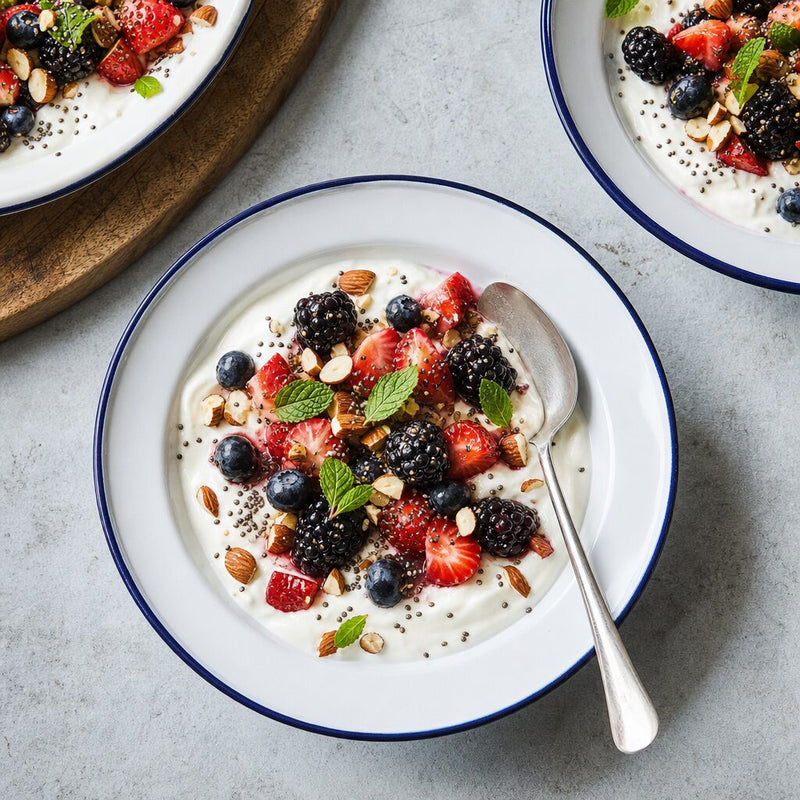
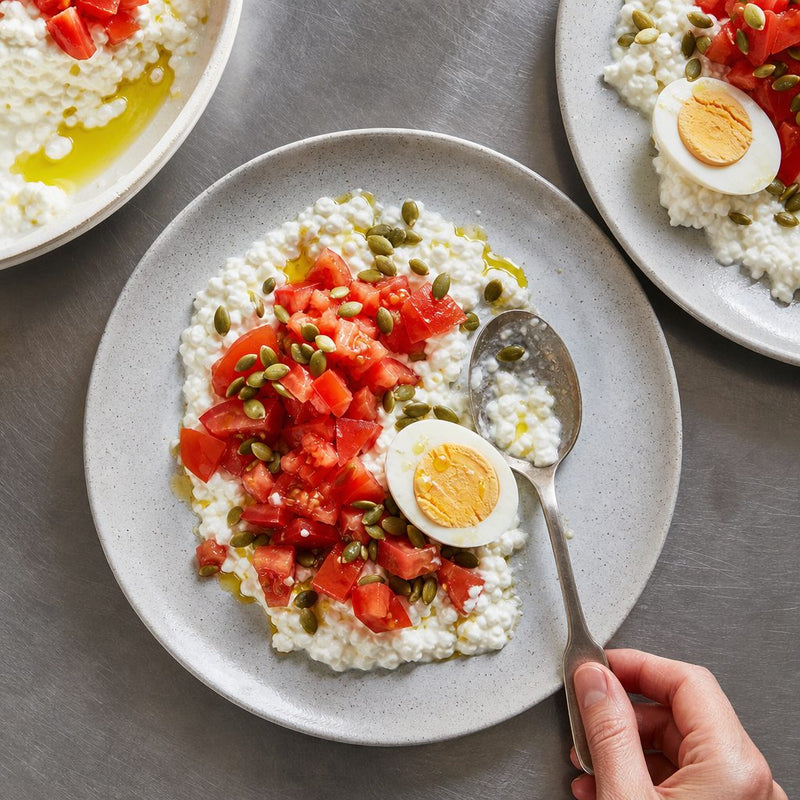
A protein-rich breakfast keeps energy steadier and reduces cravings later in the morning. Eggs, Greek yoghurt with nuts, or leftovers will carry you further than toast and jam.
4. Make room for oily fish and plants
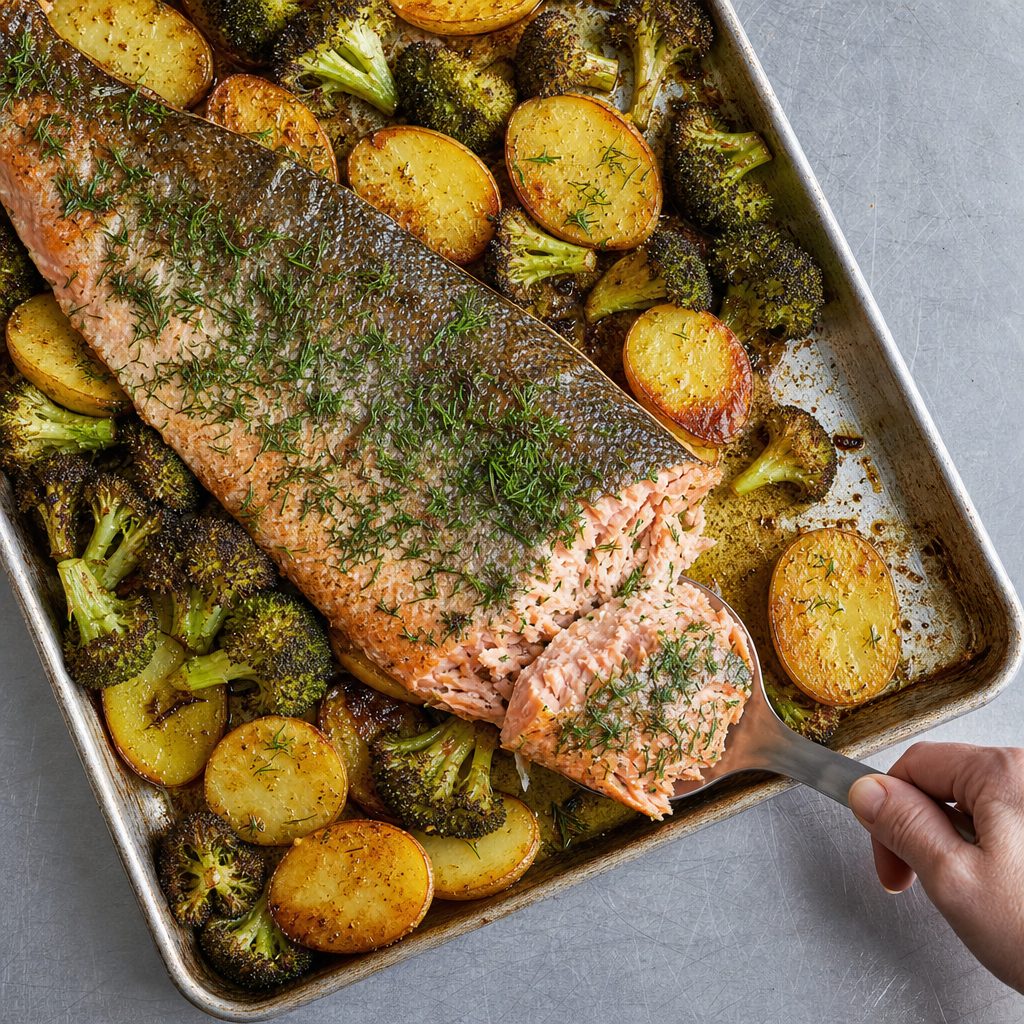
Oily fish like salmon, sardines and mackerel provide omega-3 fats, which are a major building block of the brain. Plants bring fibre and polyphenols, and dietary patterns rich in vegetables, legumes, nuts, olive oil and fish, like the Mediterranean diet, are consistently linked with better long-term brain health. Aim for oily fish twice a week and a wide variety of plants.
5. Don't skip meals
Long gaps between meals can leave you foggy, irritable and reaching for something sweet. Regular meals with protein, fibre and fat keep your brain's fuel supply steadier.
The one to skip: a sugary start
A big hit of sugar on an empty stomach, like a pastry with a sweetened coffee or a glass of juice, can lead to a quick rise in blood sugar and a dip a couple of hours later. That 11am slump is often what people describe as fog. Pair carbs with protein and fat, and keep sweet things for after a meal.
When to see your GP
See your doctor if brain fog is new, getting worse, or comes with other symptoms like extreme tiredness, low mood, changes to your periods or weight, or numbness. Common causes worth checking include low iron or B12, thyroid problems, poor sleep, perimenopause, depression and medication side effects.
Frequently asked questions
What foods help with brain fog?
Water, iron-rich foods like red meat, fish, lentils and leafy greens, protein at breakfast, oily fish, and a wide variety of plants. Regular meals help too.
Can low iron cause brain fog?
Yes. Iron deficiency, even without anaemia, has been linked with poorer concentration and slower thinking in women. Ask your GP for a ferritin test.
Can sugar cause brain fog?
A large sugary meal or drink on its own can lead to a rise and fall in blood sugar that leaves some people tired and unfocused. Pairing carbs with protein and fat helps.
Is brain fog a sign of perimenopause?
Many women notice forgetfulness and trouble concentrating in perimenopause. It's common and usually improves, but talk to your GP if it's affecting daily life.
Clearer afternoons start at breakfast
The 8-Week Program plans every meal around protein, fibre and real food, including iron-rich dinners and oily fish, with shopping lists and 600+ recipes. One payment, 16 weeks of access.
General information only, not medical advice. Don't start iron supplements without a blood test; too much iron can be harmful.
References
- Armstrong LE, Ganio MS, Casa DJ, et al. Mild dehydration affects mood in healthy young women. J Nutr. 2012;142(2):382–8. DOI
- Murray-Kolb LE, Beard JL. Iron treatment normalizes cognitive functioning in young women. Am J Clin Nutr. 2007;85(3):778–87. DOI
- Hoertel HA, Will MJ, Leidy HJ. A randomized crossover, pilot study examining the effects of a normal protein vs. high protein breakfast on food cravings and reward signals. Nutr J. 2014;13:80. DOI